2026-07-27


As the Digital China initiative deepens, computing power — a critical productive force for the digital economy — is increasingly converging with electric power. As a key component of the national energy strategy, “computing-power-electricity integration” has become an important direction for improving energy efficiency and building new-type power systems and computing systems. The project described below represents a pioneering practice under this national macro‑strategy. As rivers surge into clean electricity and servers hum at high speed deep in the mountains, a brand‑new form of computing power is taking shape on the plateau.
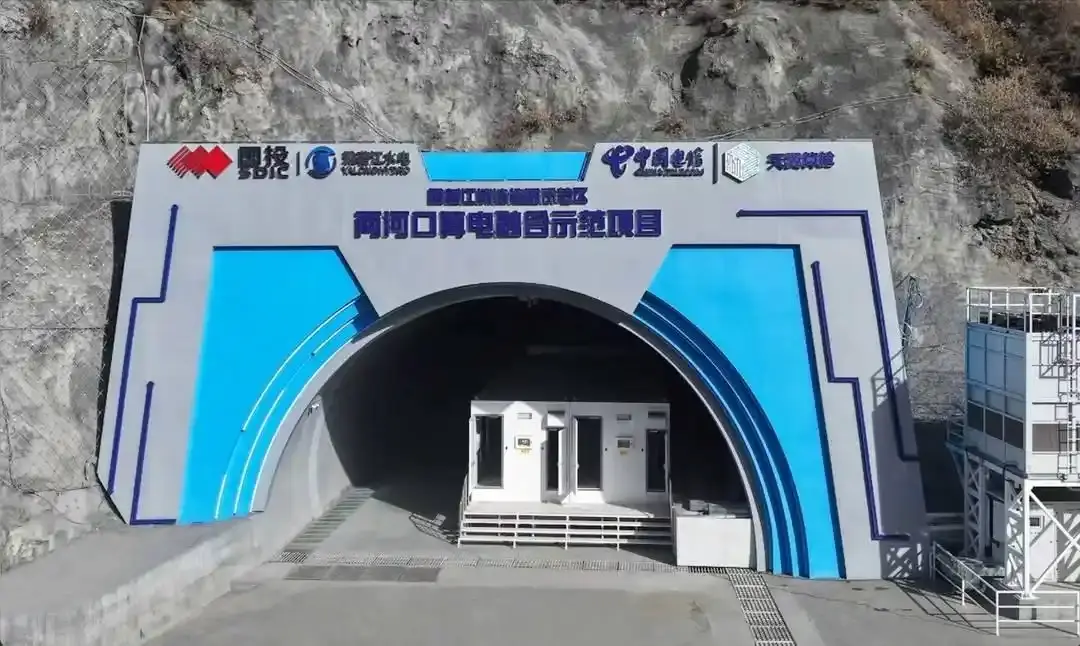
At the country’s first hydro‑wind‑solar integrated demonstration base — the Yalong River Hydro‑Wind‑Solar Integration Base — computing power is no longer just a “consumer” of electricity, but an essential part of releasing the value of clean energy. The Yalong River Lianghekou Computing-Power-Electricity Integration Demonstration Project is the starting point of this transformation. And supporting the steady heartbeat of this “green computing heart” is Vertiv’s Vertiv™ CoolPhase Mesh magnetic bearing multi‑split system — a cooling innovation that deeply respects the laws of nature.
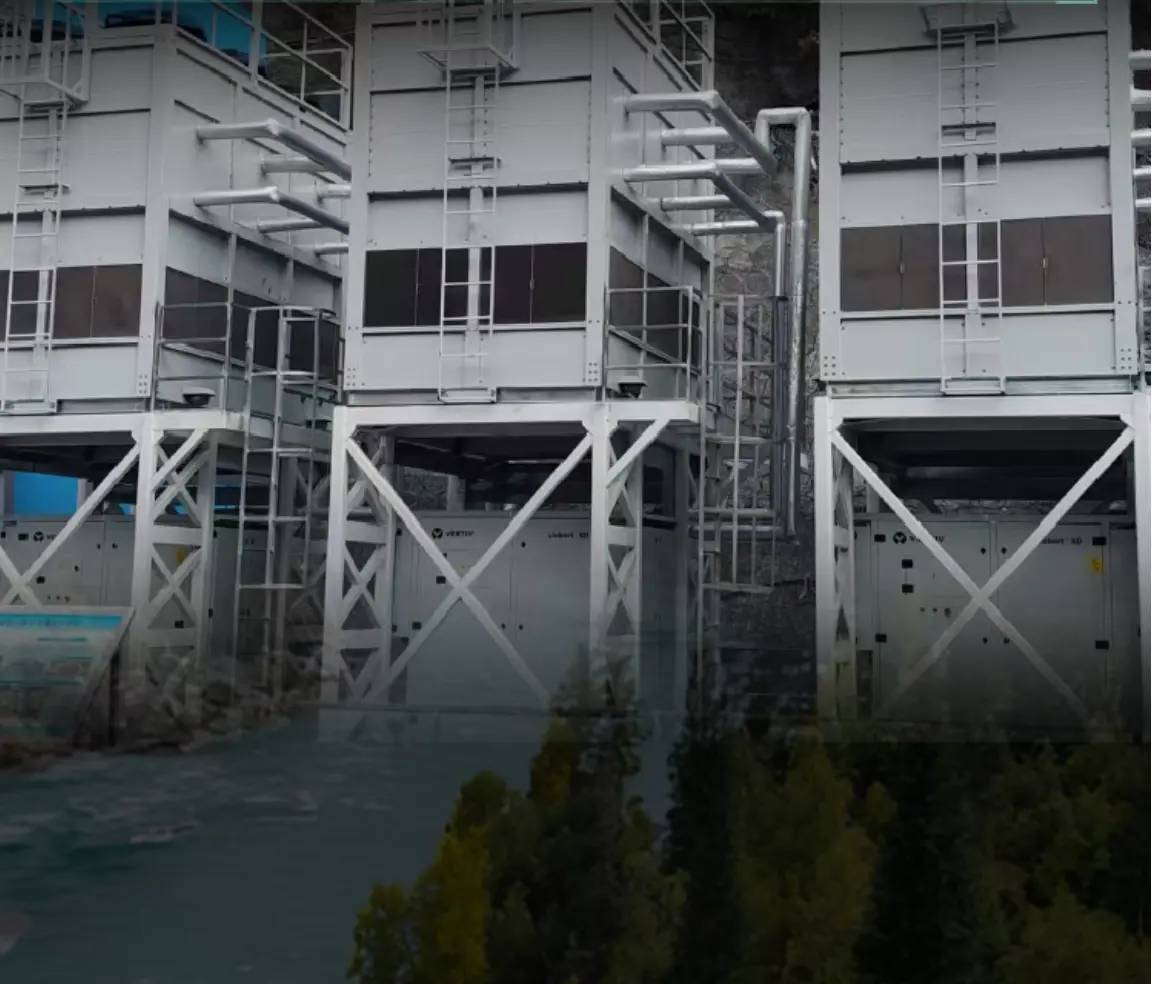
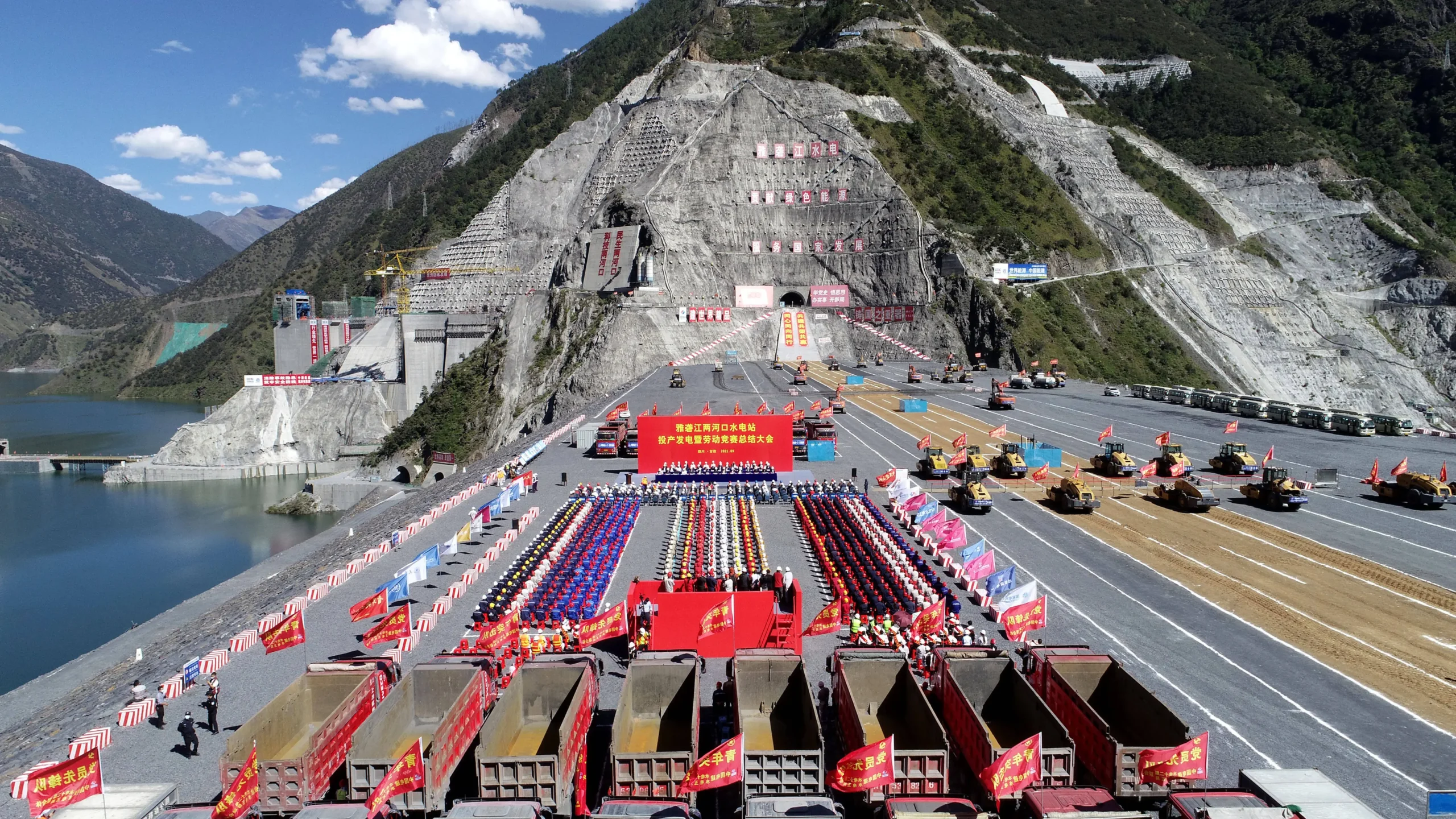
The Sichuan Yalong River Lianghekou Computing-Power-Electricity Integration Demonstration Project is an important component of the national energy strategy and one of the nine major clean energy bases clearly defined in the national “14th Five‑Year Plan”. As the first computing‑power‑electricity integration project at the base, the Lianghekou project is also the nation’s first high‑altitude cave‑type computing pod AI computing center.
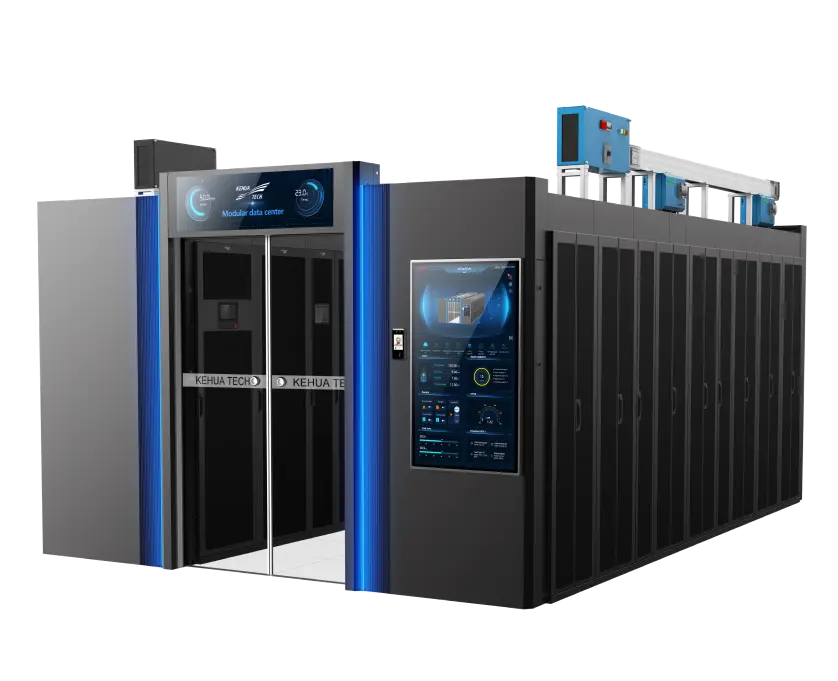
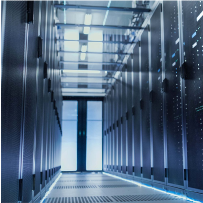
The computing pods are embedded deep inside the mountain, consuming clean hydropower on site.
Computing power and green electricity “operate side by side” in the same space — a real‑world validation of the “green power + computing power” development model.
The project is jointly built by SDIC Yalong River Hydropower Development Co., Ltd. and China Telecom Sichuan Branch. With a total investment of approximately CNY 350 million, it comprises six computing pods, providing a peak computing capacity of about 60 PF LOPS. The Lianghekou “computing‑power‑electricity integration” project not only hosts ultra‑large AI computing capabilities but also carries the mission of verifying the concept “green power drives computing power, and computing power feeds back into the energy system.”
An AI computing center is the core carrier of computing infrastructure, and the cooling system is its critical pillar. For this demonstration project, the customer set clear and demanding goals for the cooling system:
Under an air‑cooled solution, PUE ≤ 1.2
However, the Lianghekou project is not a “conventional” data center. With an altitude of 3,000 meters, a cave deployment, and a harsh environment, every condition pushes the cooling system to its limits:
| Challenge | Description |
|---|---|
| Low‑temperature freezing risk | Nighttime temperature drops can easily freeze pipelines |
| Heat exchange efficiency challenges | Thin air at high altitude reduces fan flow due to low air pressure |
| Component aging risks | Cold, humid conditions and intense daytime UV accelerate aging |
| Reduced compressor efficiency | Conventional compressors suffer efficiency loss and higher energy consumption at low pressure |
| Maintenance difficulties | Remote location and harsh environment make on‑site maintenance extremely difficult; unattended remote operation is needed |
In short, the customer required a cooling system that delivers ultimate energy efficiency while operating reliably for long periods under extreme environmental conditions.
Faced with strict energy efficiency targets and severe site challenges, Vertiv provided a solution based on the Vertiv™ CoolPhase Mesh magnetic bearing multi‑split system plus Vertiv™ CoolPhase Row in‑row units. Adopting a strategy of “technology coupling + scenario customization,” Vertiv found the way to break the deadlock.
High‑efficiency variable‑frequency magnetic bearing oil‑free compressor – energy saving at the core component level
Granularity‑matched system design – cooling on demand saves energy
Evaporative condensation technology – enables large temperature difference energy saving with high return air temperature at the terminals
Pump‑driven thermosyphon natural cooling – maximizes the use of free cooling
Variable‑frequency technology for on‑demand output – precise cooling matching saves energy
Aisle containment at the terminal – proper airflow management saves energy
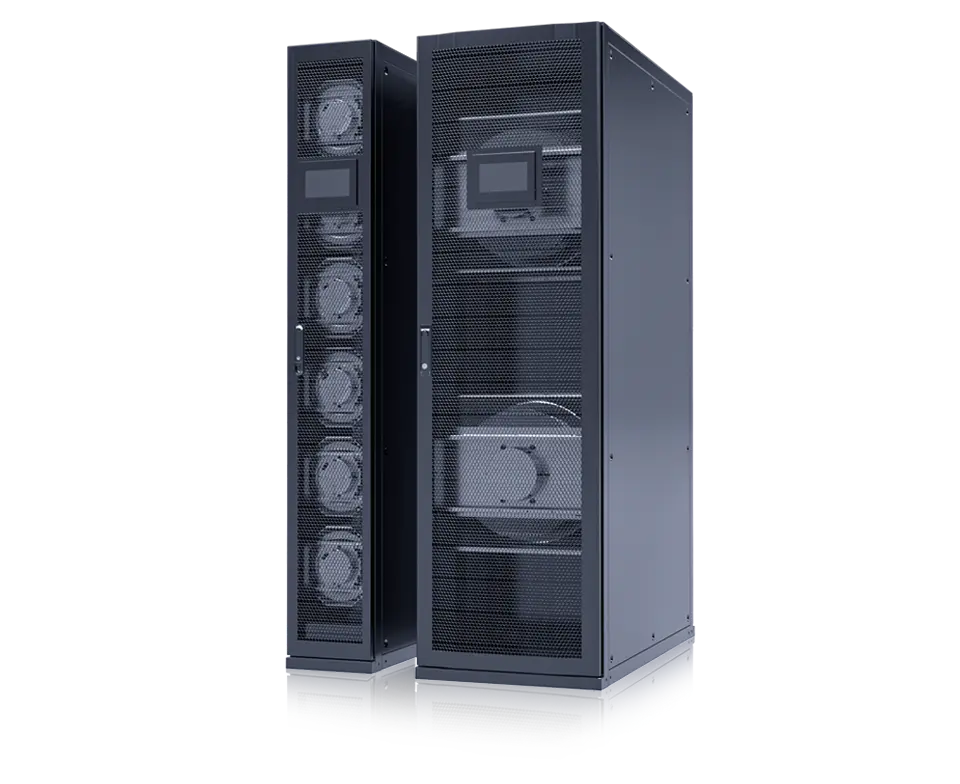
The Vertiv™ CoolPhase Row can meet the cooling needs of racks with power densities from 0 to 45kW. It is located close to the racks, requires no external static pressure, operates with higher fan efficiency, and features a modular design for flexible installation and strong scalability.
Professional high‑altitude sizing calculations avoid adverse effects from cooling capacity derating
High‑static‑pressure, stepless speed‑controlled fans compensate for air volume loss due to low pressure
Anti‑freezing design + heating coil ensures safe operation during low nighttime temperatures
UV‑resistant materials prevent accelerated aging from intense daytime ultraviolet radiation
Full anti‑corrosion treatment (sheet metal + piping) – passes salt spray tests for cold, humid conditions
Dual power supply design for both primary and secondary units improves reliability
Optimized system control logic enables remote unattended operation
With multiple energy‑saving technologies叠加, the system achieves a PUE of less than 1.2, fully meeting the customer’s energy efficiency goal.
In addition to meeting the customer’s core targets, the system delivers multiple added values:
The Vertiv™ CoolPhase Mesh compressor is installed outdoors, taking no computer room space. Moreover, its outdoor footprint is smaller than that of conventional air‑cooled solutions, saving 30% in land use.
The distributed system and prefabricated piping greatly shorten the construction period.
Notably, the cooling solution provided by Vertiv, while fully meeting the project’s high standards, also brings tangible benefits to the customer:
· Extreme compute capability: 15% lower CapEx · Extreme energy efficiency: 50% lower OpEx
The successful practice of the Lianghekou “Computing-Power-Electricity Integration” demonstration project is not just a validation of world‑class cooling technology under extreme conditions. It is also an exploration of a development path: where clean energy and new‑generation computing infrastructure deeply converge deep in the highlands, a greener, more efficient, and more sustainable digital foundation is taking shape.
Here, green power is no longer just a “power source” — it has become the core driver for leaps in computing power. And computing power is no longer just a “load” — it has become a new engine releasing the value of energy. This cave‑based AI computing center is writing a deeper‑meaning footnote for China’s future of “green power + computing power.”