2026-03-06


Introduction
Driven by the wave of “New Four Modernizations” in the automotive industry — electrification, intelligence, connectivity, and sharing — the industry landscape is undergoing profound reshaping. As electrification accelerates, intelligence deepens, and connectivity and sharing expand, automotive companies are no longer limited to traditional manufacturing; they are rapidly transforming into technology enterprises that deeply integrate software and hardware. Vehicles themselves are evolving from mere means of transportation into “supercomputers” on wheels. Against this backdrop, a hidden race around the construction and capability deployment of automotive manufacturing data centers is quietly unfolding within the industry.
From Horsepower to Computing Power: A Century-Long Transformation of the Automotive Industry
As the century-old automotive industry meets the digital deluge, the roar of engines is gradually being replaced by the hum of data flows. R&D paradigm shifts, production process reconfiguration, user experience leaps — these transformations are reshaping the DNA of the automotive industry. Amidst this radical change, every operation — from production traceability and user profiling to autonomous driving algorithm training — is clamoring for computing power. Data has become the “new fuel” driving the vehicles of the new era.
Traditional vs. Innovative: A Paradigm Shift in Automotive Data Centers
The transformation of the automotive industry imposes stringent demands on the data centers that support its operations: rapid deployment to seize market opportunities, green and efficient operation to meet “dual carbon” goals, elastic scalability and simplified maintenance, and the ability to shoulder heavy computing loads within limited space. The core contradiction facing automotive data center construction has surfaced: the gap between new requirements and traditional data center construction models. At this critical juncture, Vertiv’s containerized solution emerges as a game-changer.
In a project for a leading automotive manufacturer to build its own self-operated data center, Vertiv adopted a new methodology, transforming the data center from a complex engineering endeavor into an “industrial product” capable of batch delivery.
Ultimate Deployment Speed: 37 Containers in 90 Days
As the new energy vehicle production base of this leading automaker, the project needed to support production line operations and meet same-city disaster recovery requirements. Moreover, the construction process had to overcome extreme challenges: no indoor site planned, ultra-short timeline, and a PUE ≤ 1.3.
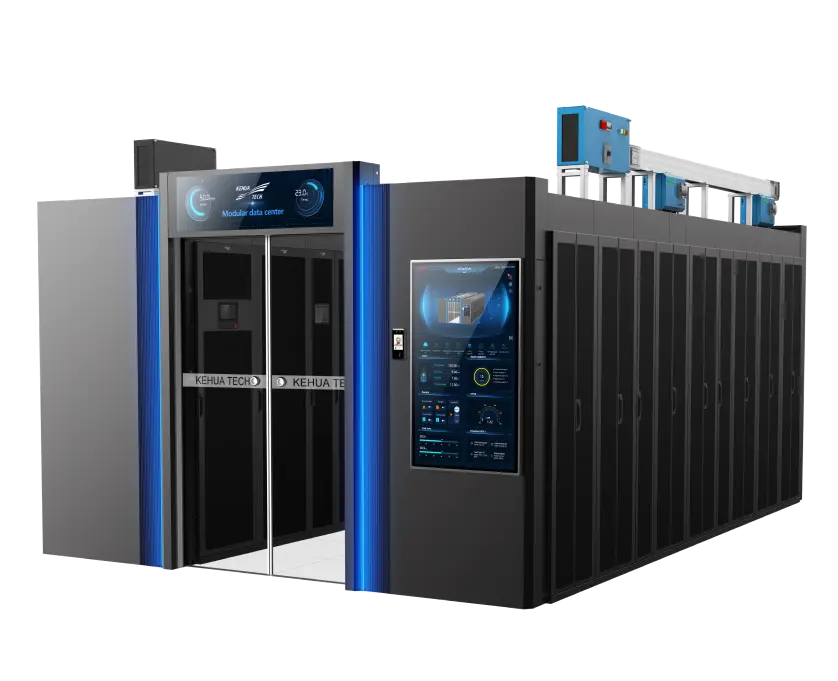
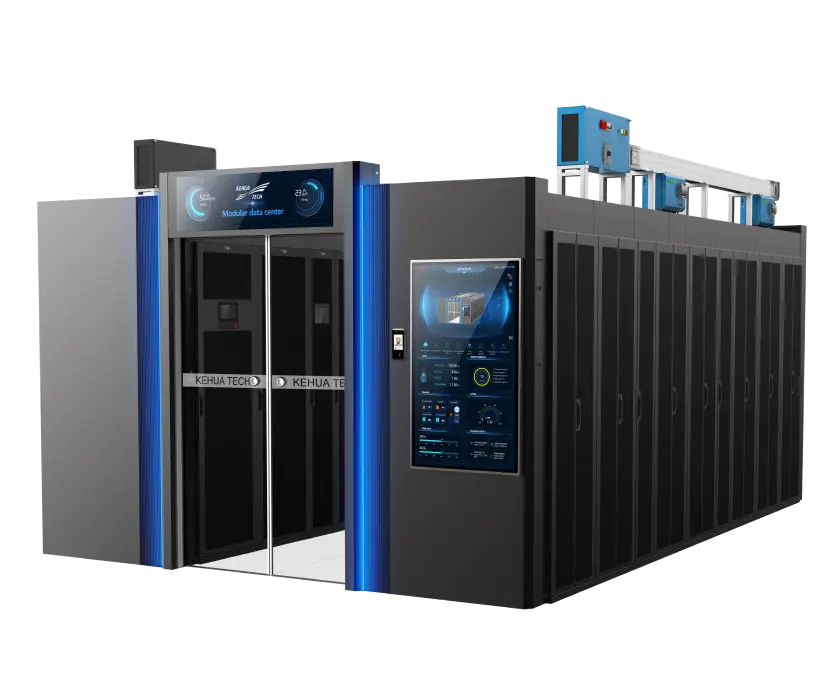
Vertiv provided 37 containerized data centers, stacked to form a “mobile digital ark.” This solution not only maximizes space utilization but also perfectly embodies the concept of “engineering as a product.” With two months for design and equipment integration and one month for on-site installation and deployment, it achieved an innovative leap from “construction” to “assembly,” seamlessly aligning with the agile development rhythm of the automaker.
Highly Reliable Power Engine: 2N Power Architecture
Speed is an inherent gene of automobiles, requiring a robust chassis for support. Similarly, Vertiv has built a highly reliable “digital chassis” with a 2N architecture for the automotive industry, ensuring the physical foundation of computing power while safeguarding business continuity and algorithm integrity.
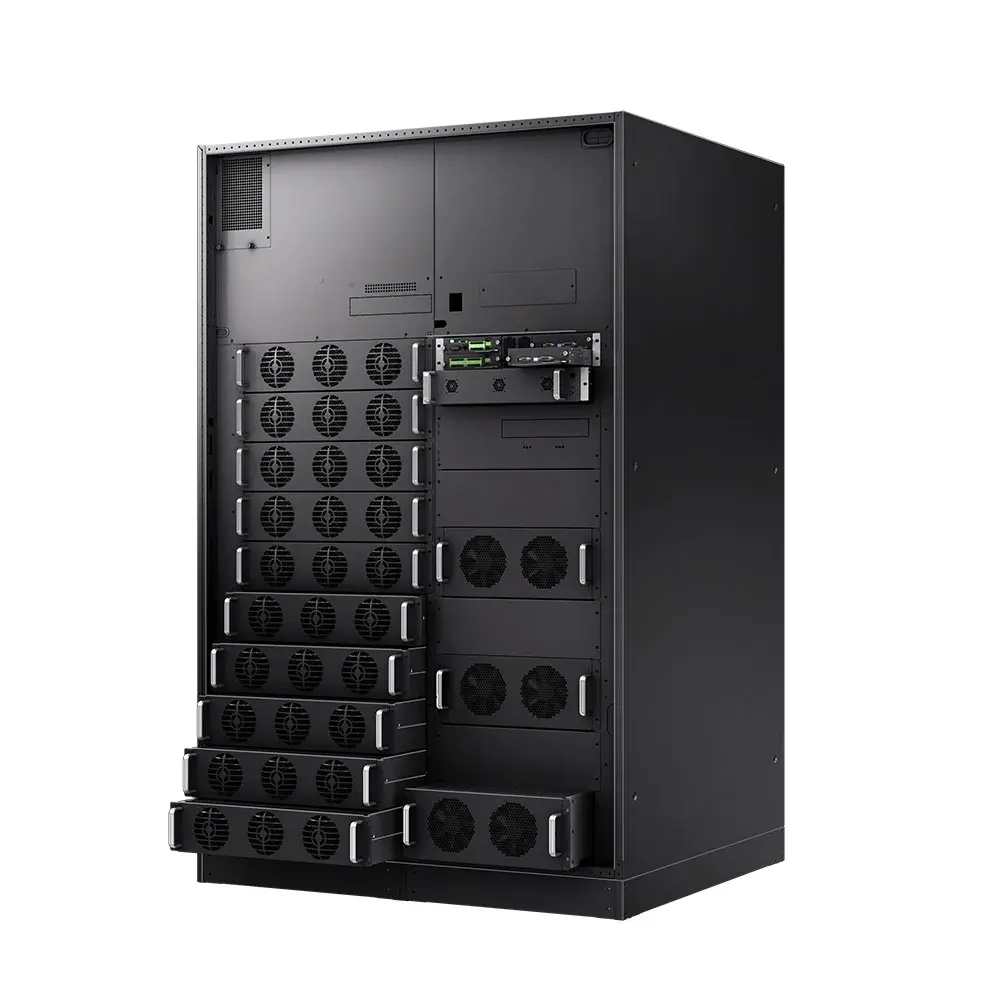
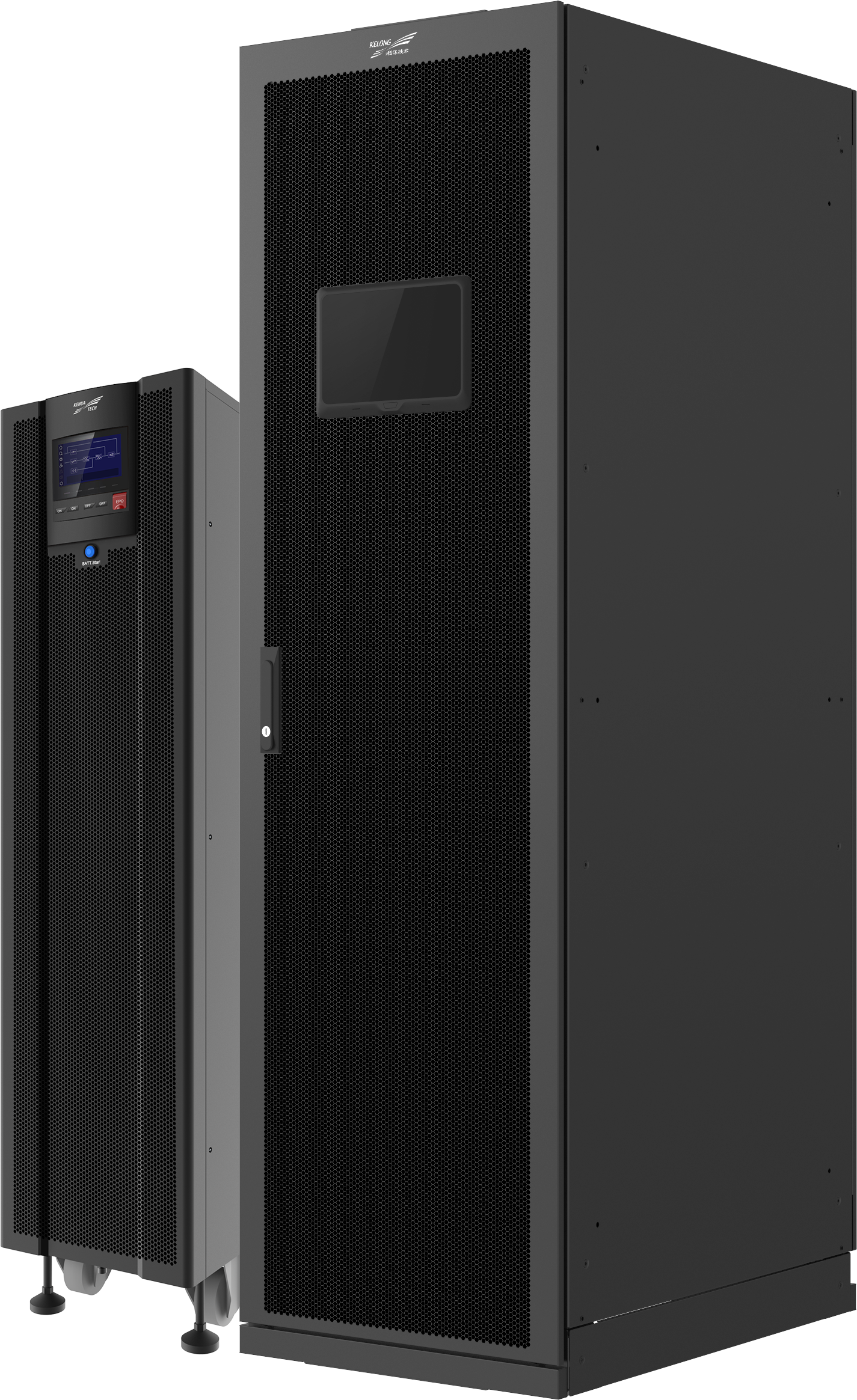
Electricity is the lifeblood of new energy vehicles and the lifeline of data centers. Vertiv’s containerized data center solution is built on a 2N power architecture, creating a powerful power supply system.
Additionally, the containerized power distribution adopts the Vertiv™ Liebert® APT prefabricated power module, with prefabricated copper busbars connected in the factory and a professional power monitoring system enabling end-to-end unified visualization monitoring, providing secure power protection throughout the data center’s lifecycle.
The “Intelligent Central Nervous System” — Vertiv™ SmartAisle™ 3 Horizon™
Algorithms are the decision-makers of the new generation of vehicles. Within the containerized data center, the flow of energy is directed by another “brain” — the Vertiv™ SmartAisle™ 3 Horizon™ modular data center solution. Equipped with a 95-inch OLED local display screen and paired with an APP for remote management, it provides real-time feedback on system operating status, delivering efficient, high-quality 3D management services to facility managers and users.
At the same time, this solution, while ensuring high reliability, delivers significant value for automotive data center construction across multiple dimensions:
“1-DNA Smart Convergence”: Highly integrates subsystems such as power distribution, cooling, and monitoring; based on a fully prefabricated architecture, it avoids system interruption risks and enables rapid deployment and fast service launch.
Optimal Total Cost of Ownership: Prefabricated, modular design enables rapid deployment; standardized production reduces construction costs, lowering TCO by 20%–30%.
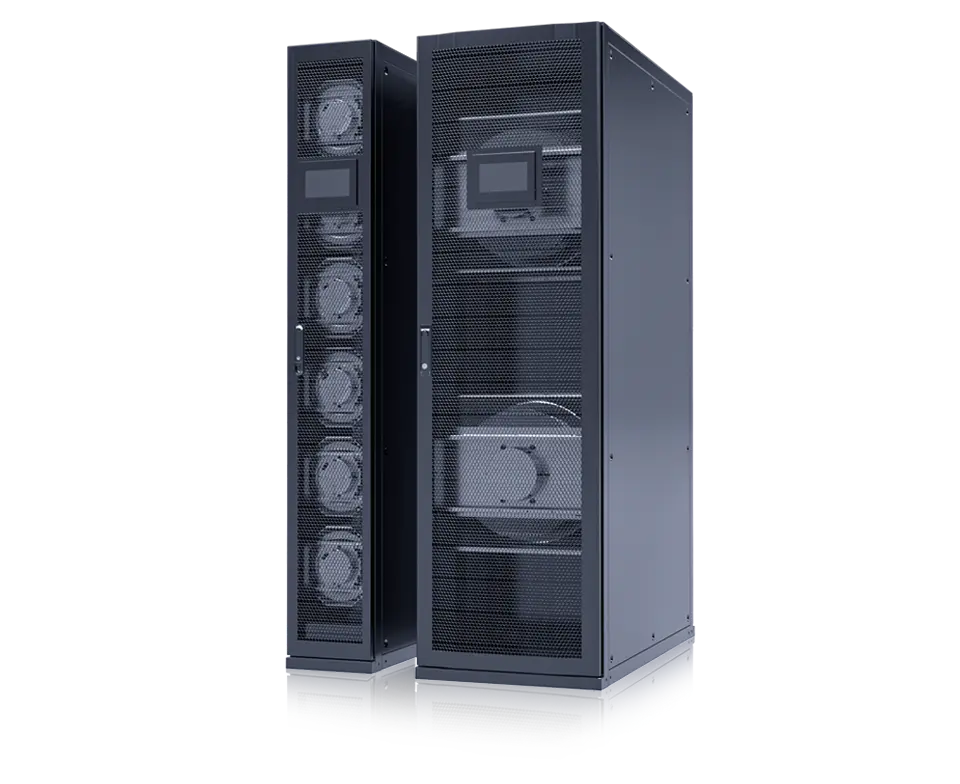
Efficient Cooling: Employs full-inverter pumped refrigerant (Fluorine pump) air conditioners, combined with AI self-learning and automatic optimization, reducing energy consumption by over 30% and achieving the hard target of PUE ≤ 1.3.
Flexible Power Management: Integrates prefabricated flexible busway and a unique dynamic environment monitoring design, ensuring 100% usable IT space.
Conclusion
The success of this project clearly reveals a trend: amidst the transformative wave in the automotive industry, data center infrastructure itself also needs an “agile revolution.” The containerized data center not only supports the digital future of the automotive industry but also bears witness to how Vertiv, with its new paradigm, empowers automotive companies to accelerate and surpass on the “New Four Modernizations” track